
The TAP Team
FAQs
Have questions about separation, retirement, Capstone, or timelines? You’re not alone! We’ve gathered the most common TAP questions to help you feel confident and prepared.
👉 Explore our TAP FAQs
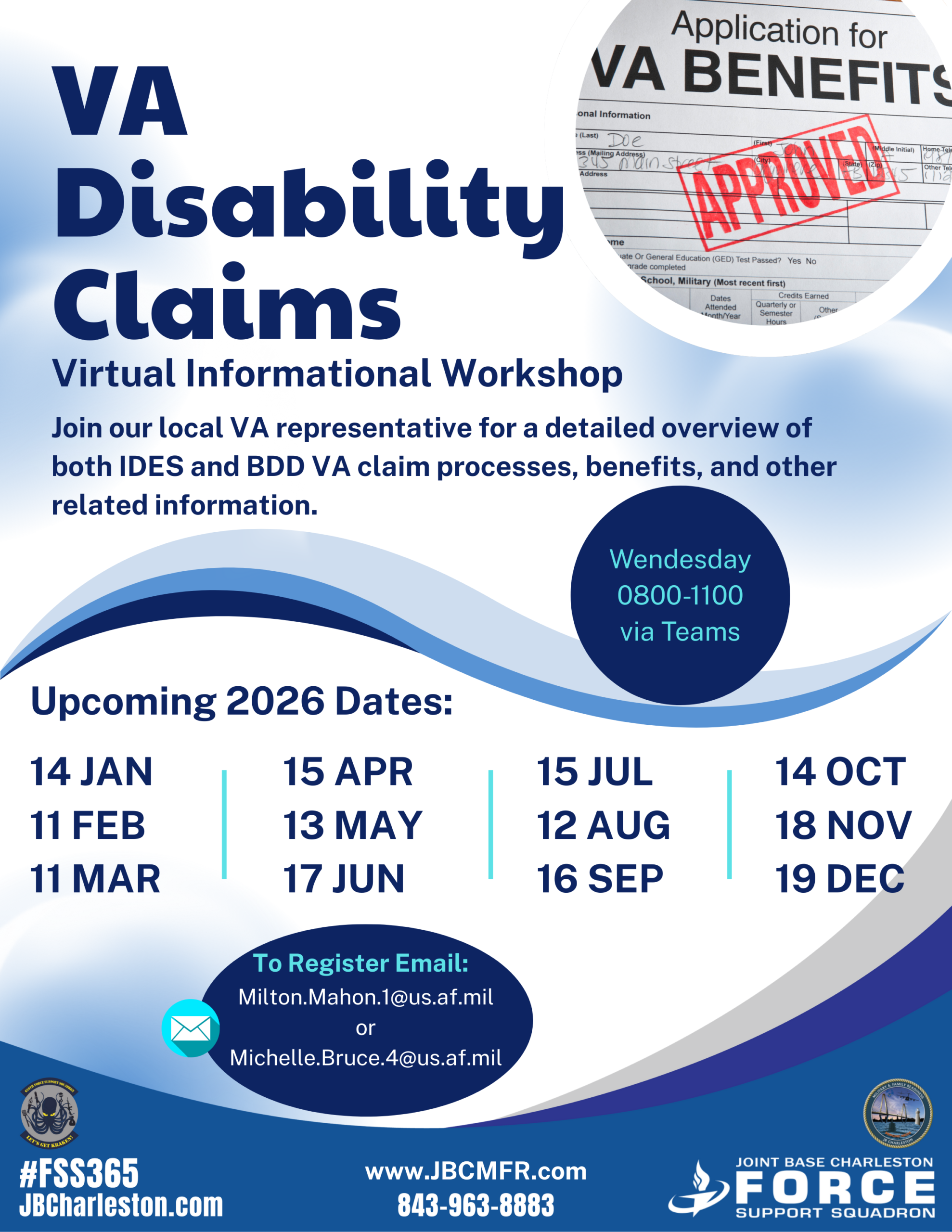
Starting Your BDD Claim Key Facts
- Must file between 180 to 90 days before separation or retirement.
- Must be available for examinations for at least 45 days after submission.
- Cannot have a pre-discharge hospitalization or surgery requiring further treatment.
- Cannot file if they are awaiting discharge for misconduct or dishonorable conditions.
1. Gather Medical Documentation
Include all service treatment records, medical evidence of conditions, and supporting civilian medical records.
- Separation Health Assessment – Part A
- VA Form 21-0781 – Statement in Support of Claimed Mental Health Disorder(s) Due to an In-Service Traumatic Event(s)
2. Identify Disabilities to Claim
Consider all service-connected conditions, including physical and mental health issues.
3. Complete VA Form 21-526EZ
VA Form 21-526EZ – The Application for Disability Compensation must be filled out accurately.
4. Enroll in eBenefits or VA.gov
This helps track claim status and manage VA benefits.
5. Schedule VA Medical Exams
The Compensation & Pension (C&P) exams will be required for evaluation.
6. Submit Claim Online
The fastest way to process is through VA.gov.
- Claim all conditions at once to avoid delays.
- Use VA-accredited assistance (such as VSOs, DAV, or VFW) for guidance.
- Keep copies of all submitted documents.
- If outside the BDD eligibility window, the service member may still file a standard disability claim post-separation.
SkillBridge Resources
Click on the links below to learn more.
The DoD SkillBridge Program is a Department of Defense transition initiative that allows eligible active-duty service members to gain civilian work experience, training, apprenticeships, or internships during the last 180 days of their military service. While participating, service members remain on active duty and continue to receive their military pay and benefits. The goal is to help service members build real-world skills and professional networks that ease their transition to civilian employment. Participation requires approval from the service member’s chain of command, and opportunities are available with public and private sector organizations across many industries.
Air Force SkillBridge
Purpose:
Air Force SkillBridge enables Airmen and Guardians to engage in civilian job training, internships, apprenticeships, or work experiences during the final portion of their service to improve post-military employment prospects.
Eligibility Criteria:
To participate in SkillBridge in the Air Force:
- You must be within 180 days of separation or retirement and expect an honorable or under honorable conditions discharge.
- You must have completed at least 180 continuous days of active service.
- You must complete your Transition Assistance Program (TAP) requirements.
- You must obtain approval from your unit commander, as participation remains mission-dependent (i.e., your commander can revoke or deny approval based on mission requirements).
- A SkillBridge vetting checklist and training plan must accompany your application.
Application Process:
- SkillBridge applications are submitted through the Air Force Virtual Education Center (AFVEC).
- Commanders and supervisors receive automated notifications to review and approve the application once submitted in AFVEC.
- Participation can require additional coordination if the training location is outside of a typical commuting radius (e.g., via Permissive Temporary Duty).
Key Notes:
- Air Force policy may limit opportunities to DoD-approved SkillBridge providers.
- Only one SkillBridge participation is allowed per transition period.
Navy SkillBridge
Purpose:
The Navy SkillBridge program also lets Sailors participate in civilian internships, apprenticeships, or job training with approved industry partners during their final period of service, while continuing to receive military pay and benefits.
Eligibility & Timeline:
- Sailors can apply once they are within 365 days of their expected separation date via the MyNavy Education SkillBridge portal.
- Commanding officers have final approval authority, and participation must not negatively impact mission readiness.
- Participation windows depend on paygrade, with maximum limits such as:
- E1–E5: up to 180 days
- E6–E9 and O4 and below: up to 120 days
- O5 and above: up to 90 days (with additional command endorsement requirements)
Process and Requirements:
- Applications are submitted through the MyNavy Education SkillBridge portal (CAC access).
- Sailors must meet eligibility conditions (TAP completion, physical fitness and standards compliance, etc.) as specified by Navy policy.
- Career counselors and commands help navigate policy and command endorsement steps.
Important Considerations:
- Participation is not an entitlement; it is approved based on mission needs and timing.
- Certain restrictions apply, for example, Sailors with service-funded education obligations or retention bonuses may need to complete those commitments before SkillBridge participation.
WARTAC (Warrior Training Advancement Course) is a SkillBridge-aligned training and employment opportunity run through the Veterans Benefits Administration (VA). It provides transitioning service members (including Wounded Warriors) with structured classroom and practical training while still on active duty, typically in roles such as Veteran Service Representative (VSR) or Rating Veteran Service Representative (RVSR). Upon successful completion, participants are positioned for federal employment opportunities with the VA’s regional offices. The program usually lasts several weeks and leverages SkillBridge authorities to enable active-duty participation and potential hiring.
Employment Resources
Click on the links below to learn more.
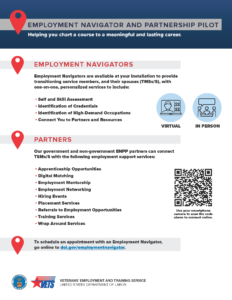
The Employment Navigator(EN) and Partnership Program (ENPP) provides one-on-one career assistance to interested transitioning service members, and their spouses, at select military installations worldwide.
SC Works representatives are available in centers throughout the state to help veterans transition into the workforce. Veterans receive priority service in all SC Works centers.
Local Veterans’ Employment Representative (LVER) staff and Disabled Veterans’ Outreach Program (DVOP) specialists are trained to provide intensive, priority employment services to all veterans, including group and individual career coaching, job referrals, résumé preparation help, career fairs and job search workshops, job training programs, and referrals to training services.
A statewide initiative launched by Gov. Nikki Haley and supported by the S.C. National Guard and the S.C. Department of Employment and Workforce, Operation Palmetto Employment is a commitment to helping our service members, family members, and veterans find meaningful civilian careers.

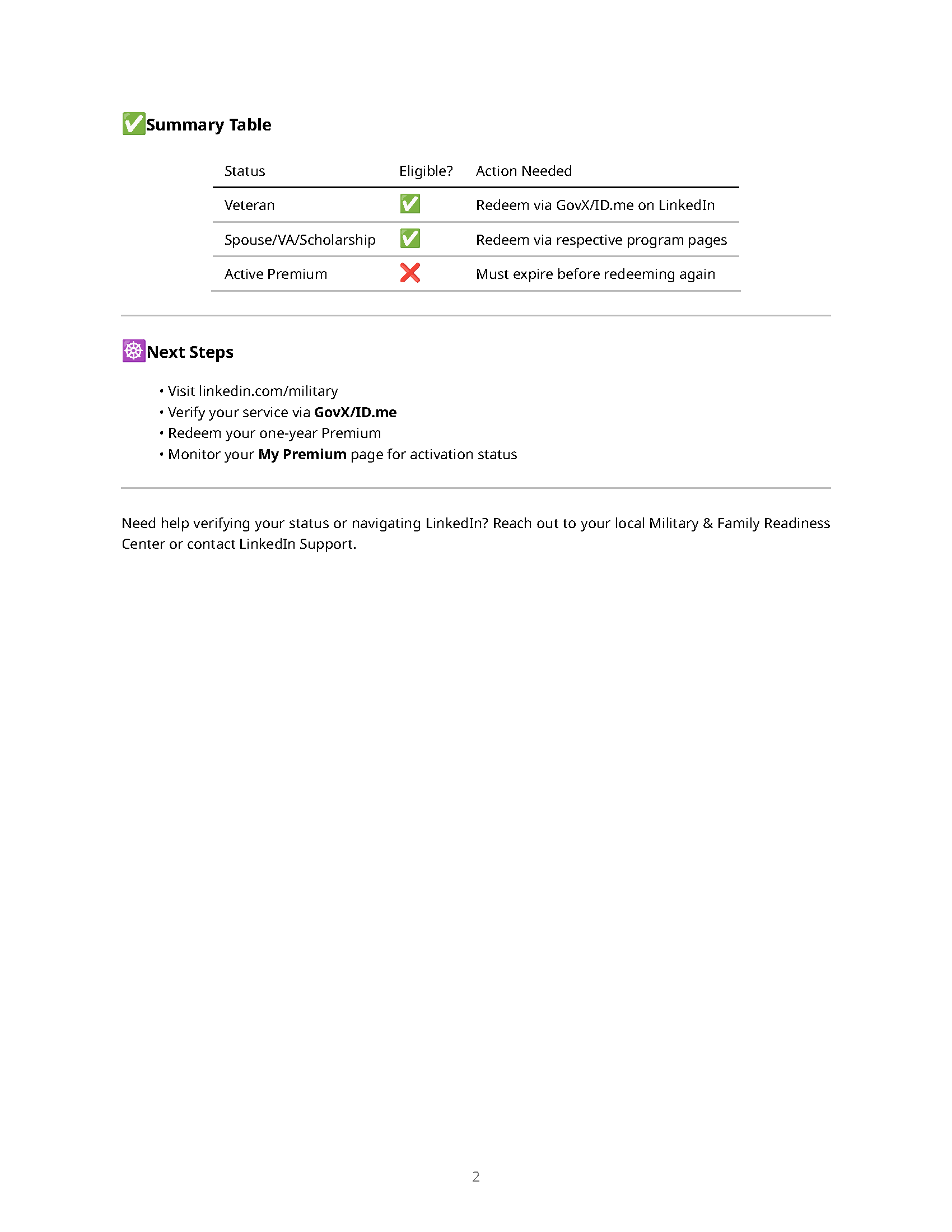
Other Resources
Click on the links below to learn more.
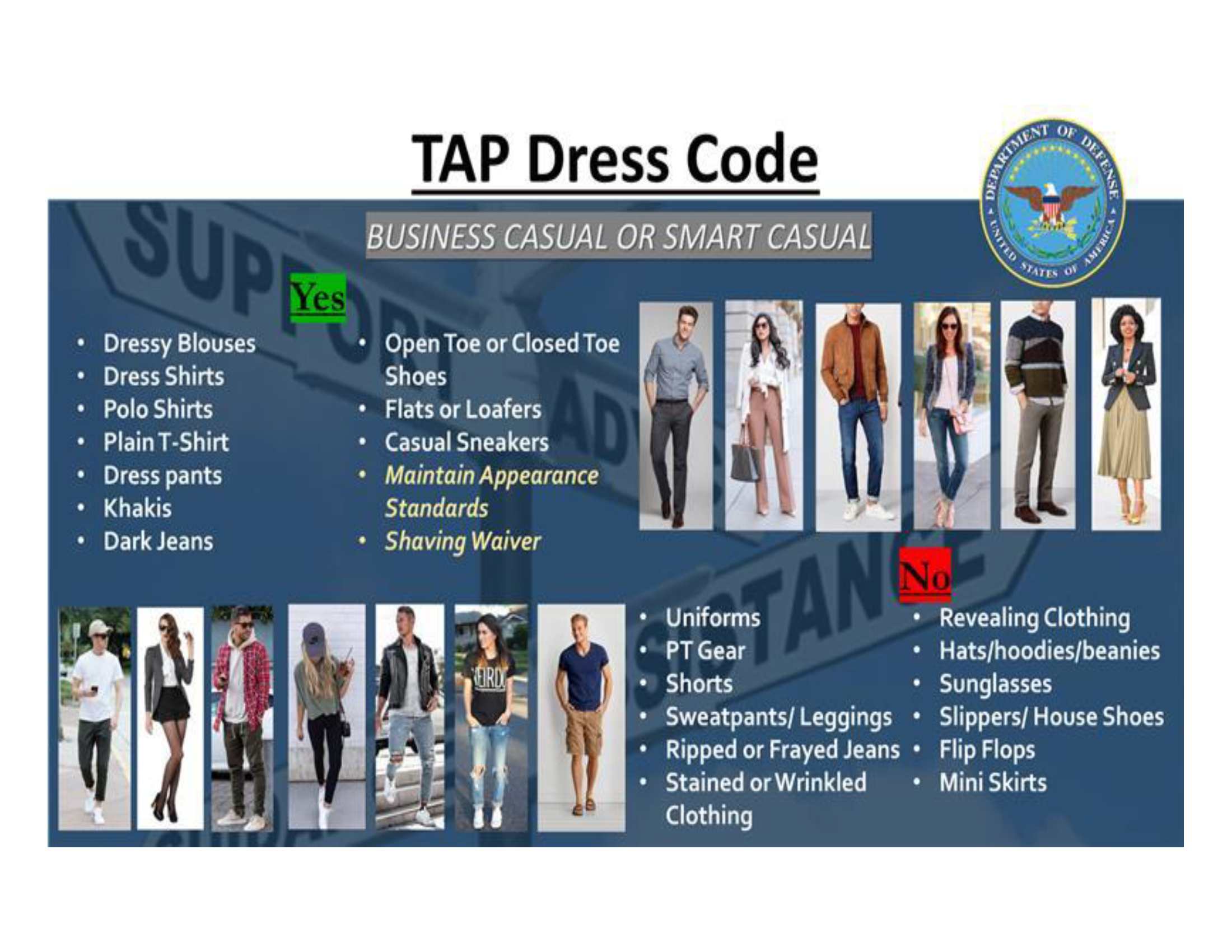

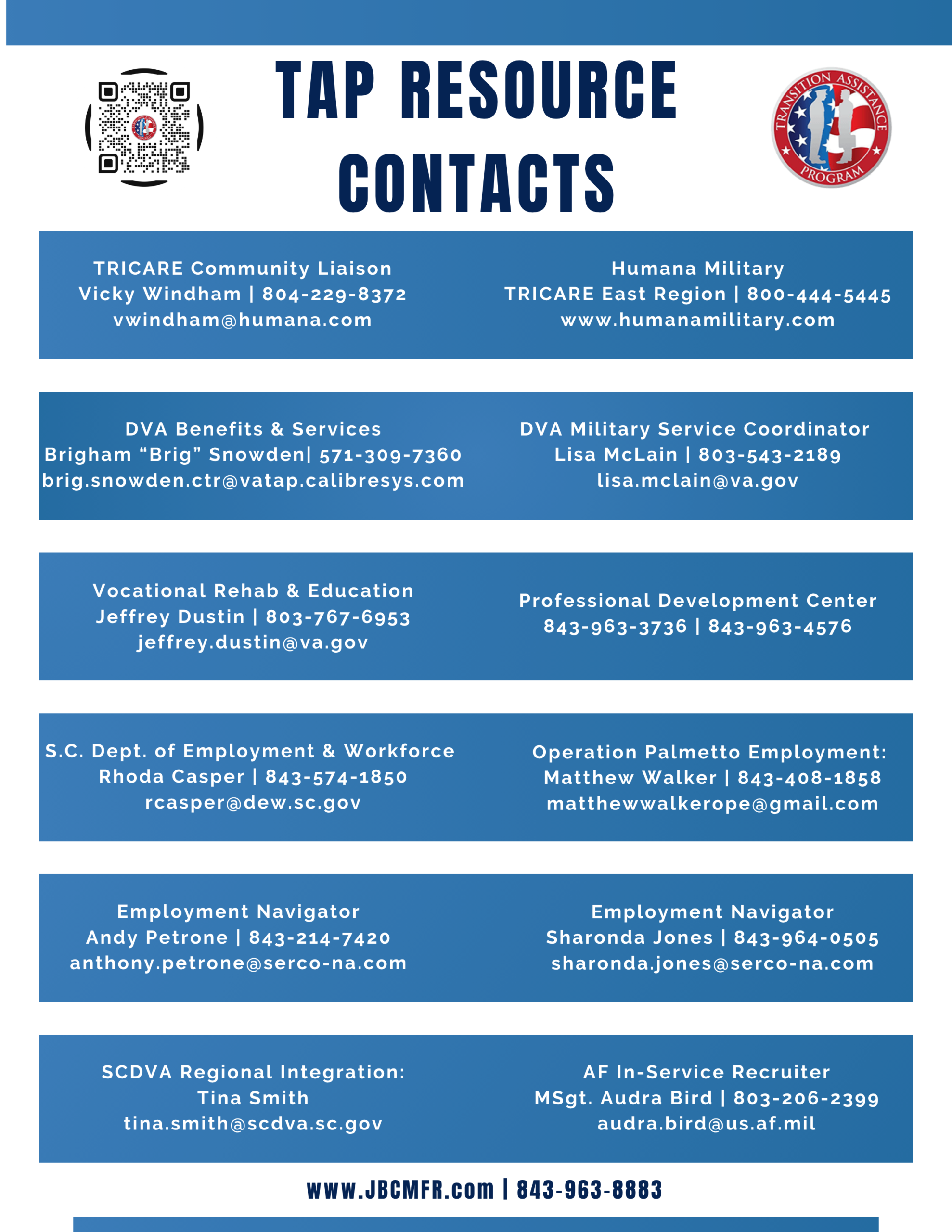
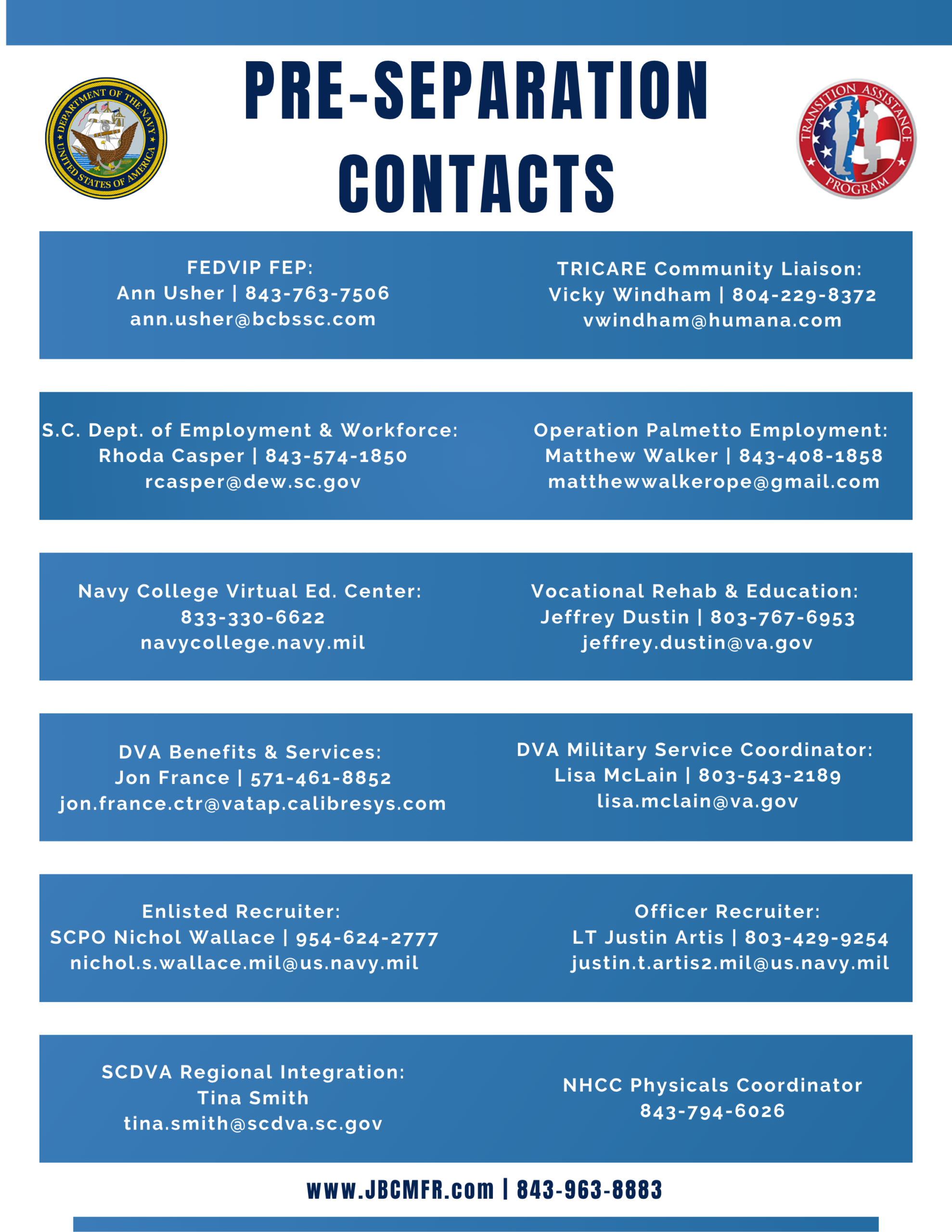
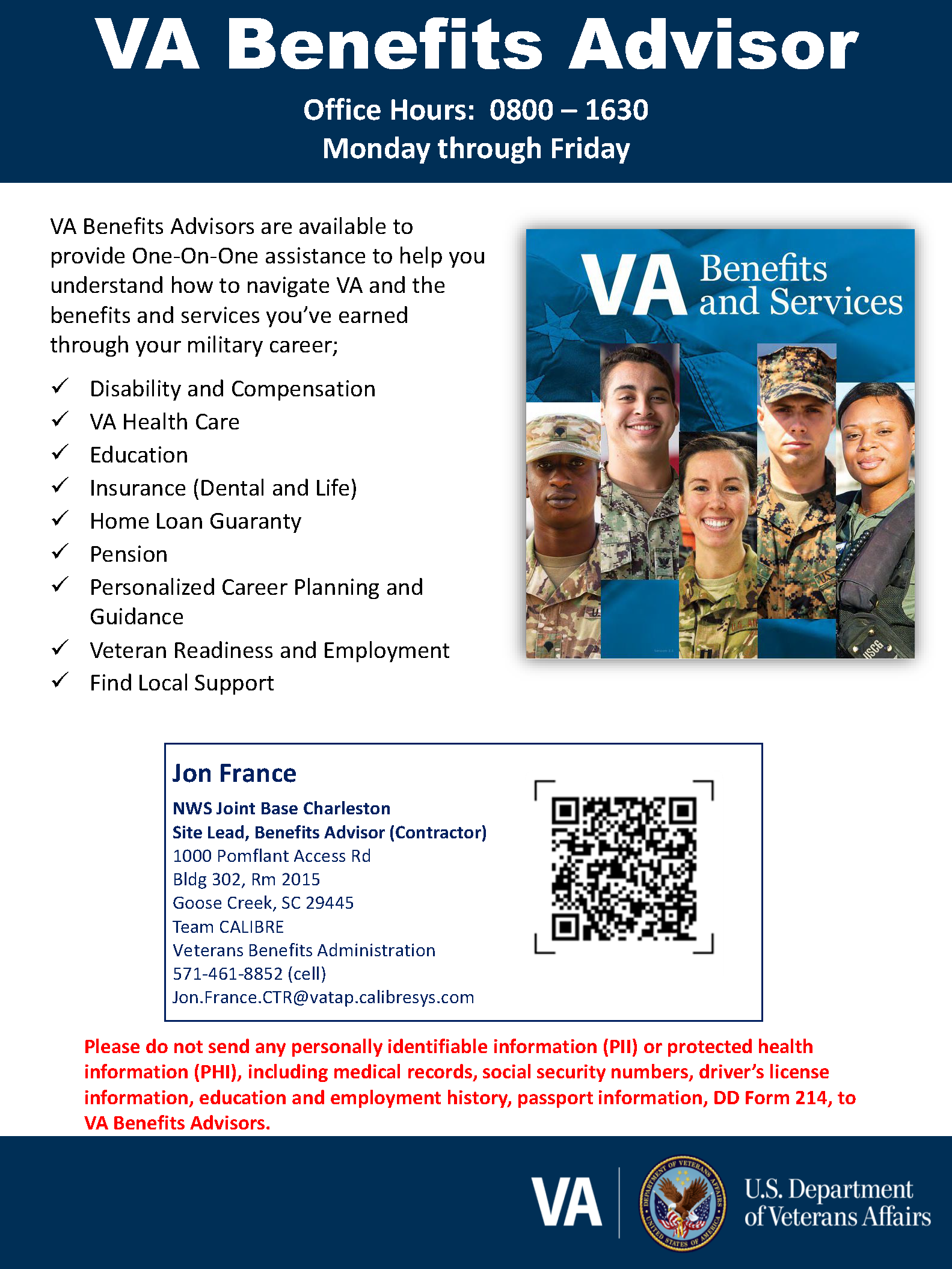
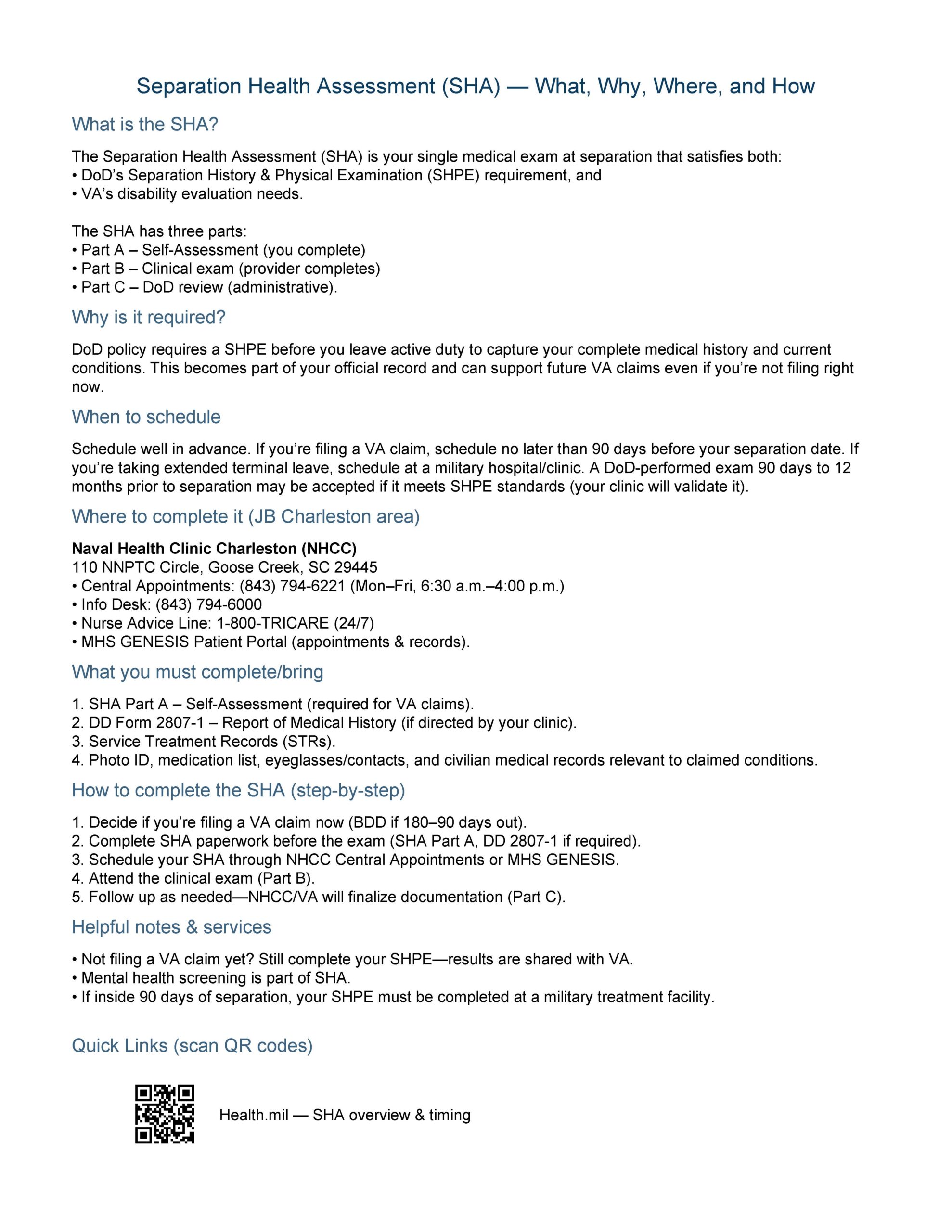
TAPevents.mil is the official online portal for the U.S. Department of Defense’s Transition Assistance Program (TAP) and related transition resources designed to help U.S. military service members, Veterans, and their families prepare for the move from military service to civilian life. The site is part of the DoD’s statutory TAP curriculum framework and helps satisfy mandatory transition requirements and provide guidance and training.
The site is focused on TAP — a congressionally mandated, outcome-based program that equips transitioning service members with information, tools, and structured learning to achieve meaningful post-military outcomes in employment, education, entrepreneurship, and benefits understanding. The curriculum supports planning, preparation, and certification of readiness for life after the military.
TAP (and the tapevents.mil site) exists because Congress requires standardized, comprehensive transition support to improve service members’ outcomes in civilian careers, education, and benefits utilization. It’s a core element of moving from military service to a productive civilian life.
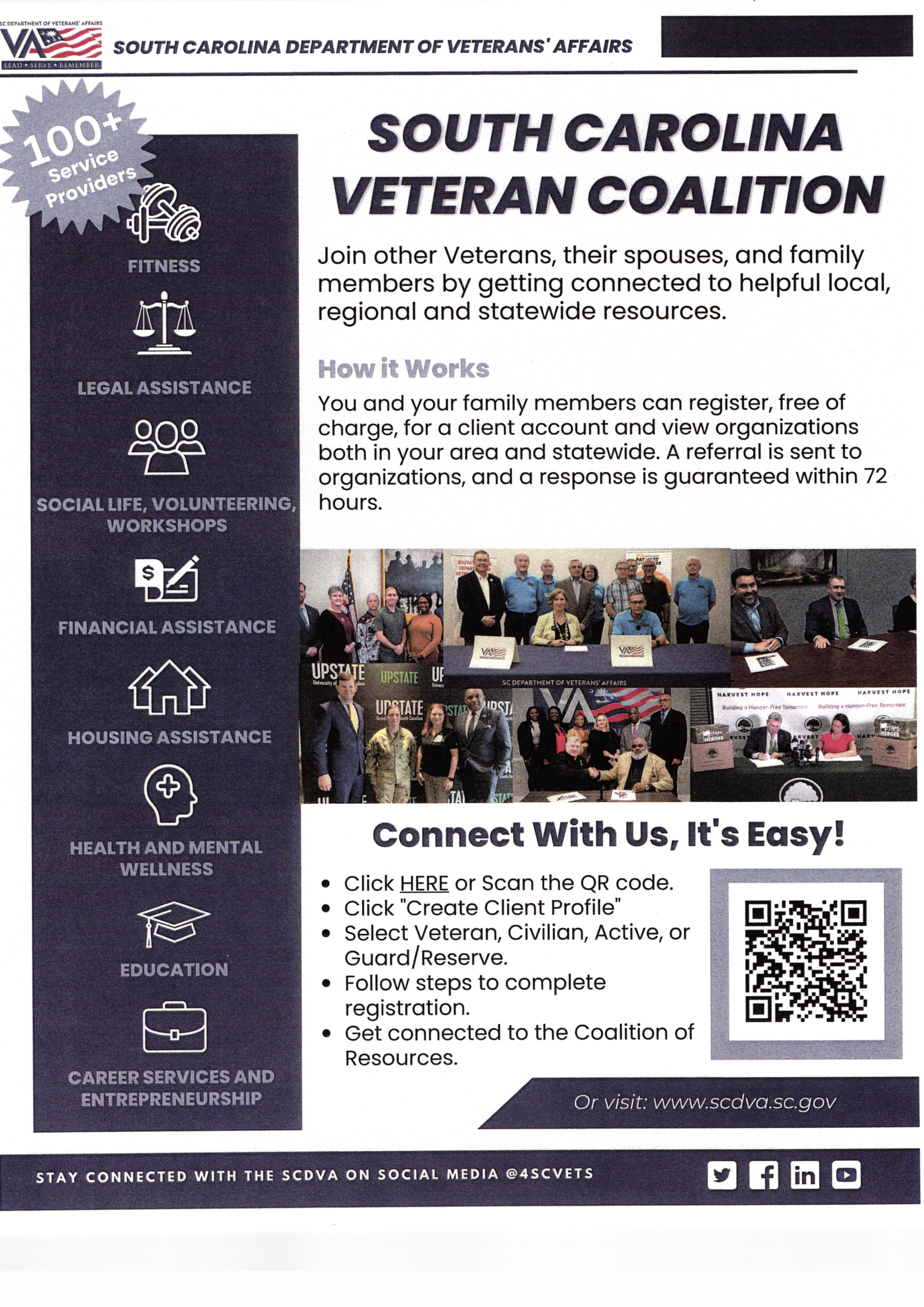
The U.S. Department of Veterans Affairs Transition Programs page provides an overview of resources designed to help Service Members, Veterans, and their families successfully transition from military service to civilian life. These programs offer guidance on accessing VA benefits, career development opportunities, education resources, and ongoing support during the transition period. Visitors can explore initiatives such as the Transition Assistance Program and other VA services that connect transitioning personnel with tools, information, and support networks to help them plan for their next chapter.
Click HERE to learn more!
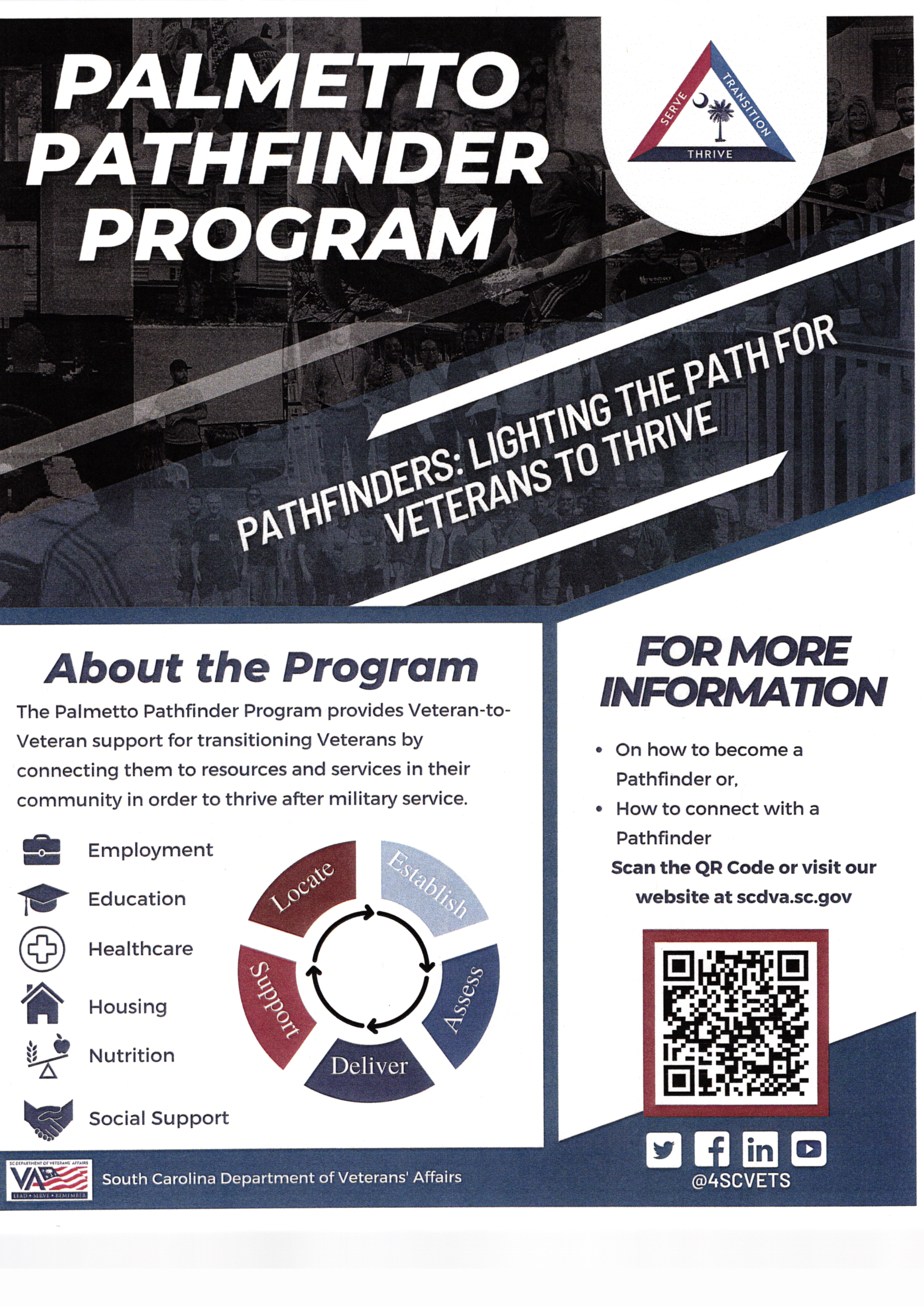
Program Overview
The Transition Assistance Program (TAP) is a comprehensive initiative designed to support military service members as they navigate the shift from military to civilian life. Focused on providing essential resources and information, TAP addresses key aspects such as employment, education, and healthcare, aiming to facilitate a smooth and successful transition for individuals leaving the armed forces. Through workshops, counseling, and access to valuable tools, TAP plays a vital role in equipping veterans with the skills and knowledge needed to thrive in their post-military endeavors.
What is Transition?
Transition is a phase of adaptation that involves planning and preparation during military service. It’s the time when service members and their families venture into civilian life after leaving active duty. TAP, a collaborative effort involving the Department of Defense, Department of Labor, Department of Education, Department of Veterans Affairs, Department of Homeland Security, along with the Small Business Administration and the Office of Personnel Management, aims to support this journey by providing essential resources and guidance.
Program Mandates & Components
STEP 1: Individualized Counseling
Must be completed no later than 365 days prior to separation or retirement.
This is the official start to the TAP process, where a personal self-assessment is completed to identify post-transition goals, an Individual Transition Plan (ITP) is started, and the service member is assigned a tier level. This must be completed no later than 365 days before separation or retirement.
See “TAP Tiers” on the right.
STEP 2: Pre-Separation Counseling
Must be completed no later than 365 days prior to separation or retirement.
Following the IC, this briefing provides a high-level overview of available benefits, entitlements, and resources to help the service member develop their ITP. Caregivers and spouses are encouraged to attend this pre-separation briefing.
STEP 3: TAP Workshops
The TAP Core Curriculum: All service members must complete the foundational three-day workshop, which includes:
The DoD Transition Day is a mandatory eight-hour curriculum that includes the following modules:
Manage Your (MY) Transition – The “Manage Your Transition” workshop is a targeted program within the Transition Assistance Program (TAP) that equips military service members with practical skills for a successful shift to civilian life. Through interactive sessions and expert guidance, participants gain insights into resume building, job searching, and effective communication, empowering them to navigate the complexities of the civilian job market with confidence.
Military Occupational Codes (MOC) Crosswalk – The Military Occupational Codes Crosswalk workshop is a specialized component of the Transition Assistance Program (TAP) that helps service members translate their military skills and experiences into civilian terms. Through this workshop, participants learn to identify transferable skills, align their military occupations with civilian career paths, and enhance their marketability in the civilian job market.
Financial Planning for Transition – The Financial Planning for Transition workshop, part of the Transition Assistance Program (TAP), provides service members with crucial insights into managing their finances as they shift from military to civilian life. Participants gain practical knowledge on budgeting, savings, investments, and navigating benefits, empowering them to make informed financial decisions during and after their transition.
A one-day interactive briefing designed to enable transitioning Service Members (TSMs) to make informed decisions regarding the use of VA benefits. All members must also create an account on VA.gov and obtain a DS Logon.
Focuses on job search skills, resume writing, networking, and labor market research. It a key component of the Transition Assistance Program (TAP), aimed at preparing military service members for successful civilian employment. This course covers essential employment skills, including resume writing, job search strategies, and interview techniques. Through practical guidance and interactive sessions, participants gain valuable insights to confidently navigate the job market and secure fulfilling employment opportunities in their transition to civilian life.
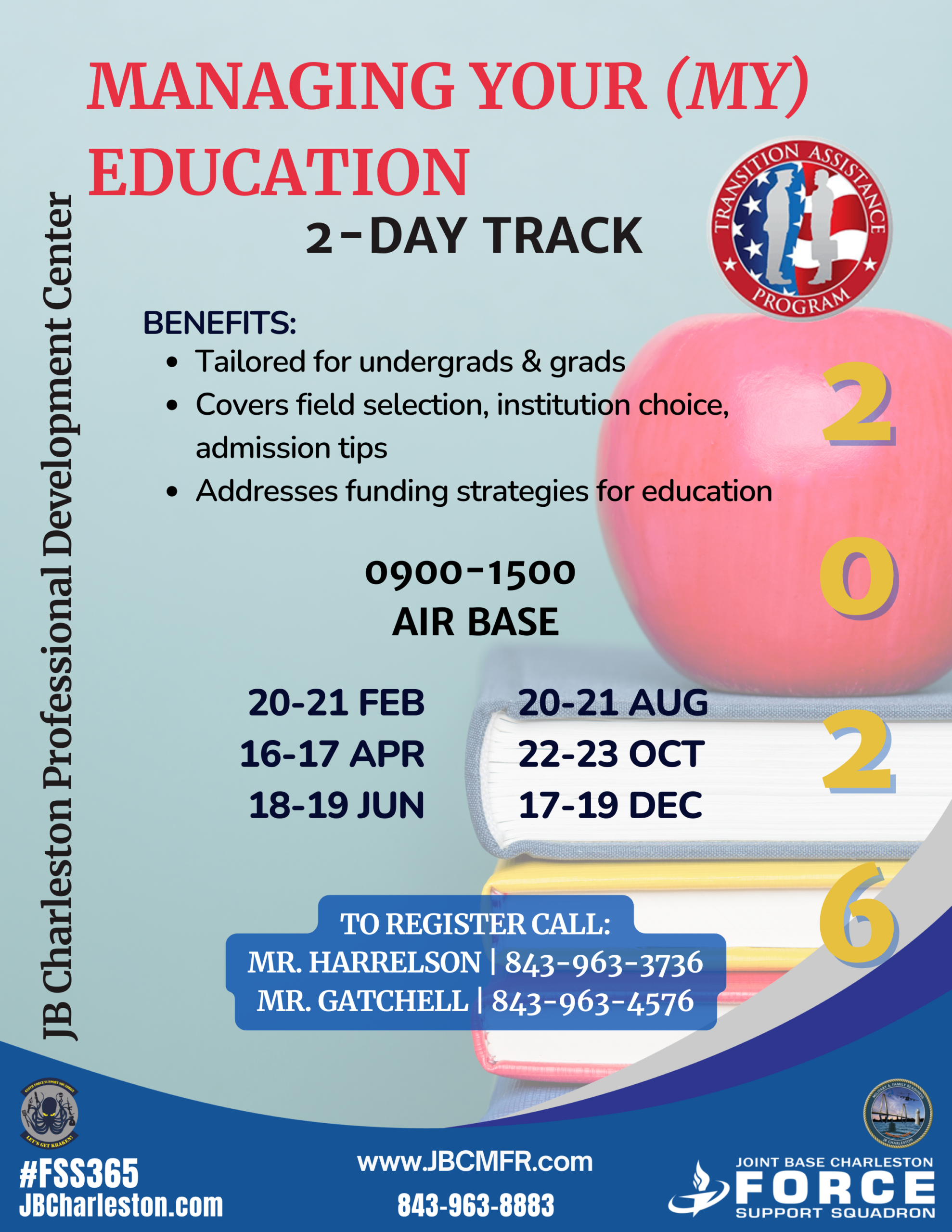
Transitioning Service Members elect a 2-day track based on their post-service goals:
- Dept. of Defense Education Track
- Dept. of Labor Employment Track
- Dept. of Labor Vocational Track
- Small Business Administration Entrepreneurship Track
STEP 4: Continuum of Military Service Opportunity Counseling (Active Component only)
Service members on active duty must receive counseling to evaluate the option of continuing military service through reserve opportunities.
STEP 5: Capstone Appointment
Must be completed no later than 90 days prior to separation or retirement.
This is the culminating event in the TAP process, where a commander or designee verifies that the service member has met all CRS and has a viable ITP. This must be completed no later than 90 days before separation or retirement. If a service member does not meet the standards, a “warm handover” to partner agencies (e.g., VA, DOL) ensures they receive further assistance.
Schedule Your Capstone Appointment – Click the link to complete the form and set up your Capstone meeting to finalize your transition plan.
Meeting Career Readiness Standards (CRS): All service members must achieve specific, measurable deliverables to be considered “career ready”. These standards include having a verified post-separation financial plan and completing a MOC Gap Analysis (or verifying employment/school admission).
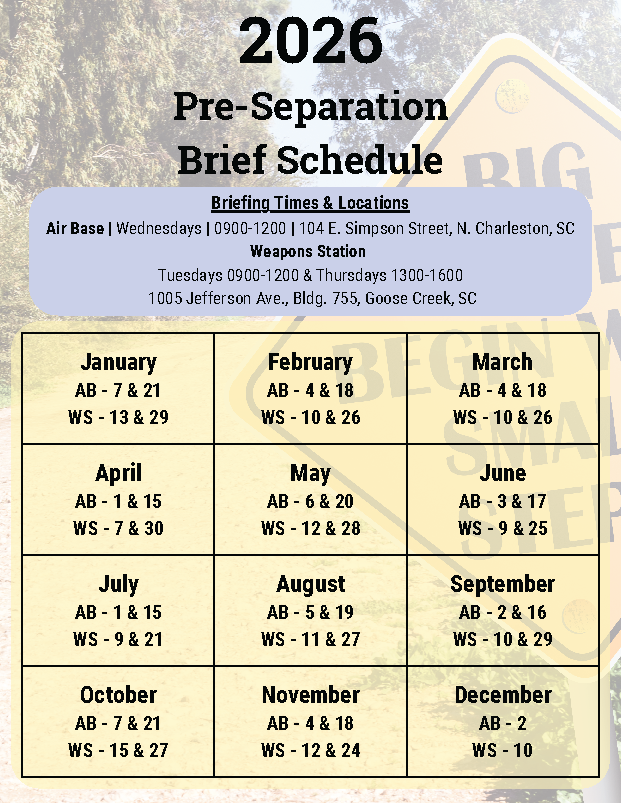
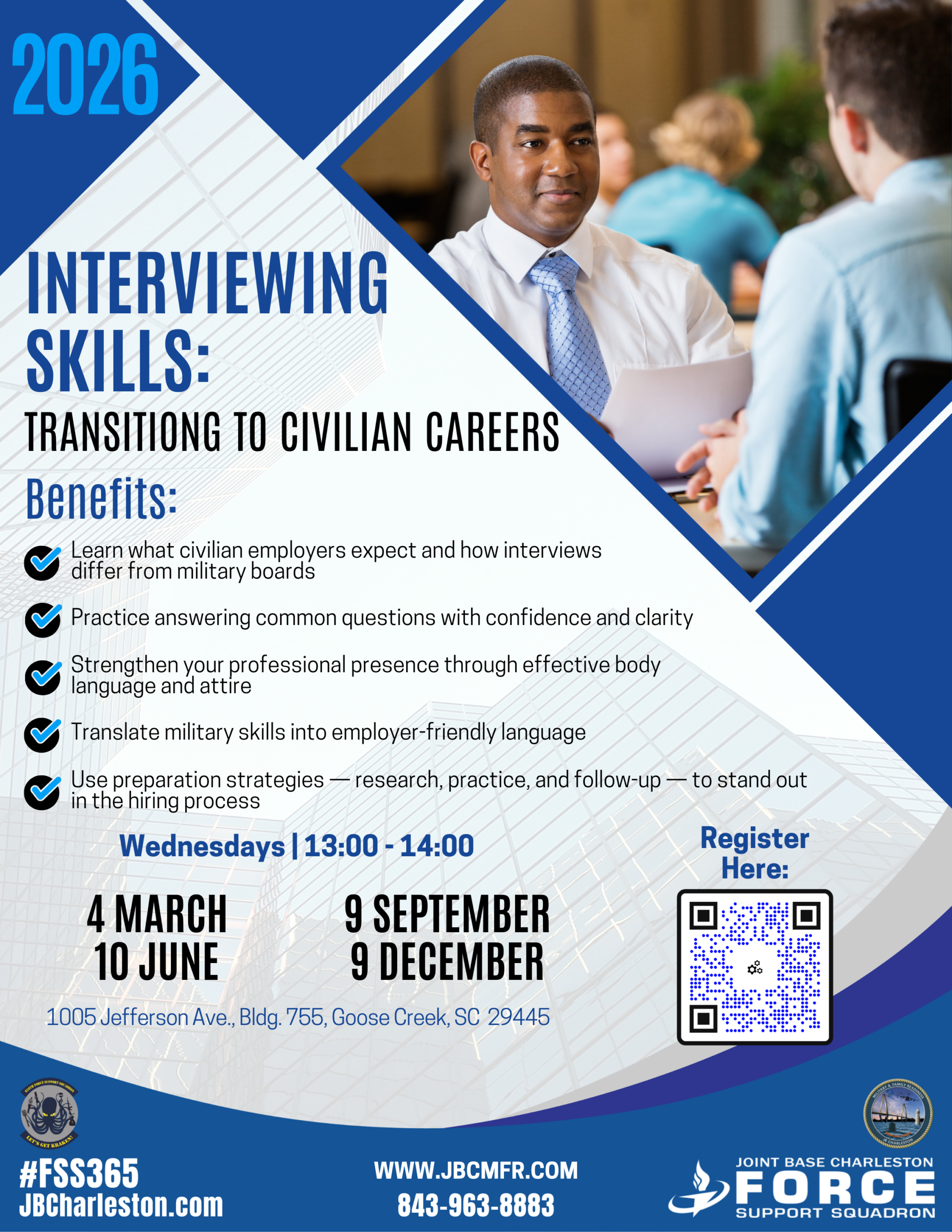
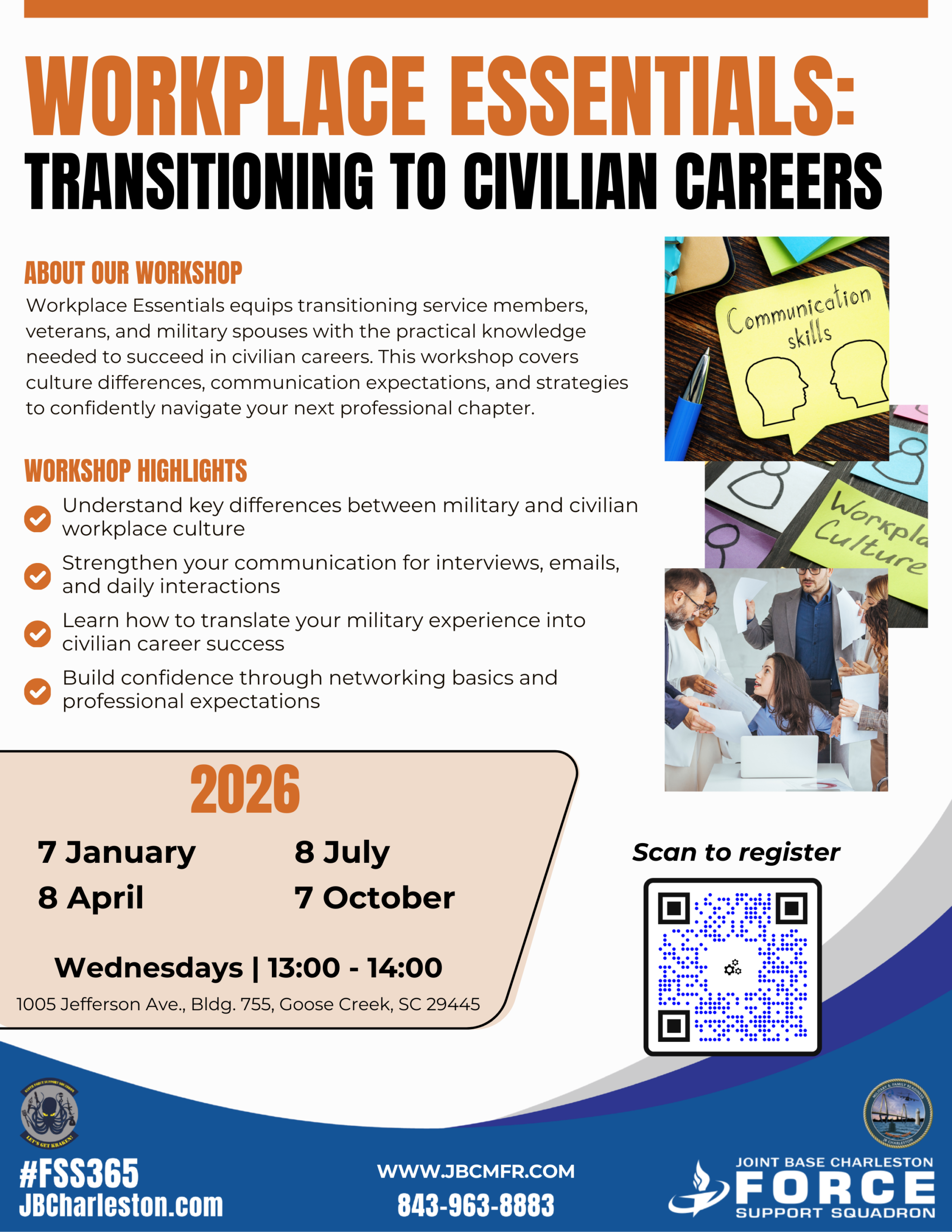
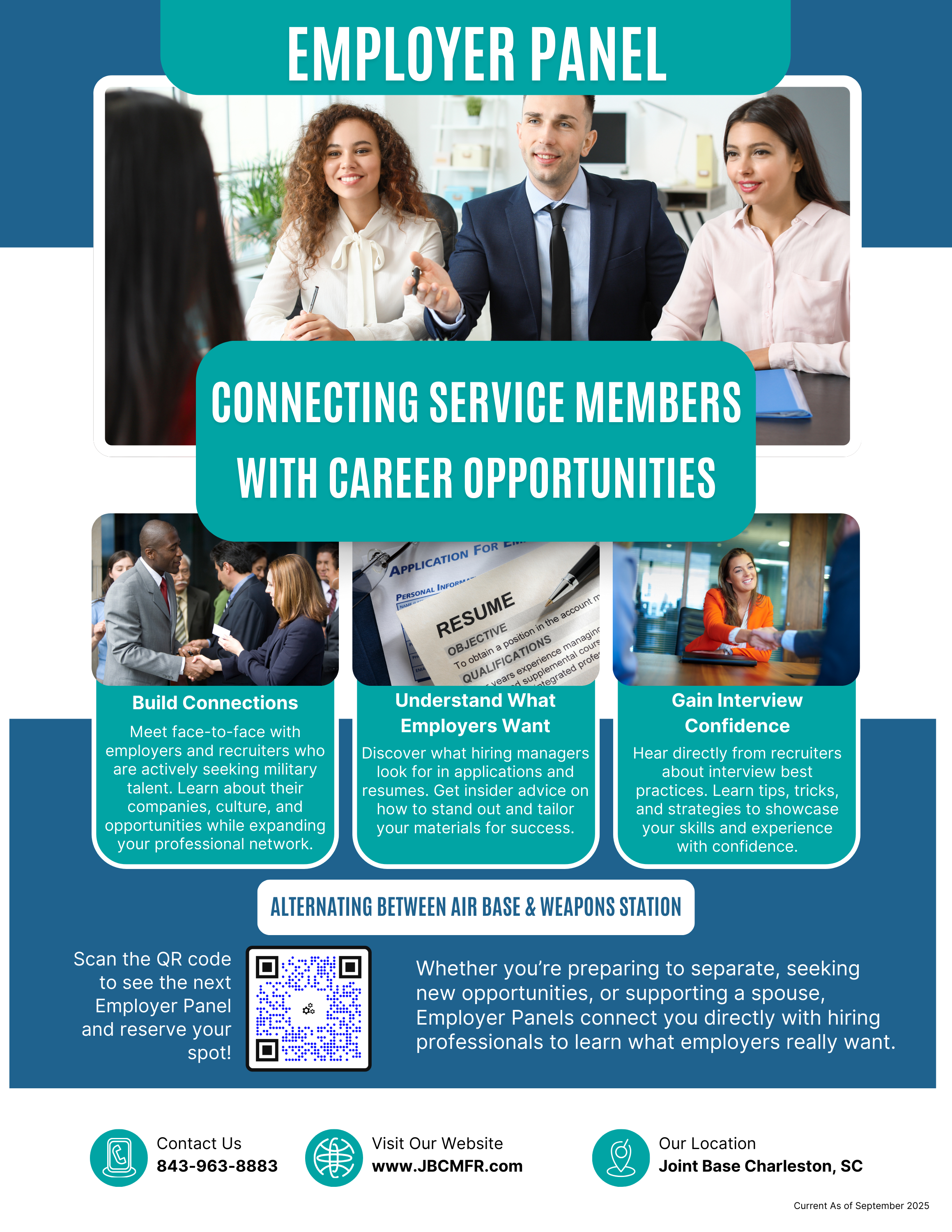
Upcoming Workshops
Click an image below to see upcoming workshop dates!



Initial Counseling
Click on the link below to learn more.
Start the TAP process HERE. Complete this self assessment and submit it to either your TAP counselor or 628FSS.FSH.TAP@us.af.mil.
A personalized transition planning timeline that helps you organize and sequence key tasks, such as attending TAP components, exploring education/employment options, building your network, updating financial plans, and preparing required documents, from about 365 days out to post-separation. It’s designed to give you a structured roadmap of what to complete and when to complete it during your transition journey.
TAP Tiers
Click on the links below to learn more and download your Tier’s CRS.
.
Description: These service members are generally transition-ready, often having secured housing, employment, or college admission prior to separation. They have a clear post-military plan and require the least amount of support.
Requirements: They are required to complete the foundational, mandatory three-day TAP Core Curriculum, which includes the DoD Transition Day, VA Benefits and Services Briefing, and the DOL Employment Fundamentals of Career Transition (EFCT). They must also meet Career Readiness Standards and complete a Capstone appointment.
Description: Service members in this tier have some ideas about their future but need more assistance to make informed decisions or finalize plans. They might have a general plan (e.g., “move home with family”) but lack concrete arrangements like a secured job.
Requirements: They must complete the mandatory core curriculum and meet Career Readiness Standards. They are also strongly recommended to attend one or more of the two-day tracks (Education, Employment, Vocational, or Entrepreneurship) to help build their plan and meet specific goals. They also need to complete a post-separation financial plan and a GAP analysis.
Description: These individuals are not transition-ready and often have no solid post-military plans. This tier can also include those with specific risk factors, such as service members leaving unexpectedly on short notice or due to injury/disability.
Requirements: Tier 3 members are mandated to complete the core curriculum and attend additional supportive courses, which include one or more of the two-day tracks. They are ineligible to waive any portion of the program and must satisfy all Career Readiness Standards and the Capstone requirement. They also complete a post-separation financial plan and GAP analysis.
Pre-Separation
Click on the links below to learn more.
This resource supports the Pre-Separation briefing, which is delivered early in the TAP process (no later than 365 days prior to separation). It provides essential information about the services, benefits, entitlements, and resources you may be eligible for during and after separation, including VA benefits, employment and education resources, financial tools, and federal/state programs.
The Interagency Website Guide is a centralized directory of vetted federal, state, and military transition-related websites. It organizes links by topic (career planning, employment resources, finance, healthcare, family support) and references which TAP course or transition requirement each resource supports, helping you quickly locate official tools and information discussed during TAP.
MYT Timeline is an interactive, downloadable tool that helps Service members plan their transition. TAP participation is recommended 24 months before retirement or 18 months before separation, and no later than 365 days prior to transition.
Capstone Documents
**Note Requirements for Your Tier**
Individual Transition Plan (ITP) is a personalized roadmap that helps Service members set goals, track progress, and prepare for a successful move from military to civilian life. It guides participants in identifying career objectives, training needs, and key resources to support their transition journey.
DoD Financial Spending Plan helps Service members create a personalized budget to manage income, expenses, and savings during their transition from military to civilian life. It provides tools to plan for changes in pay, benefits, and living costs, supporting financial stability throughout the process.
DoD Gap Analysis is a fillable worksheet used in the MOC Crosswalk course to identify gaps between your current education, experience, and credentials and the requirements of your desired civilian career. It helps map out what’s needed to bridge those gaps for a successful transition.
DoD MY Education College Comparison Chart is a key tool for the Managing Your (MY) Education course. It helps participants research and compare multiple factors between two colleges or universities to support informed education decisions.
DOL Vocational Track: Career and Credential Exploration (C2E) Worksheet is a fillable tool used in the two-day TAP Vocational Track. It allows Service members to complete personalized career assessments and explore a variety of civilian career options.
Workshop Participant Guides
Click on the links below to learn more.
Managing Your Transition introduces Service members and their families to the importance of early and intentional preparation for the move from military to civilian life. The course provides an overview of the Transition Assistance Program curriculum while addressing often-overlooked aspects of transition, including personal and family considerations, workplace culture differences, communication challenges, and transition-related stress. Participants are also connected with military and civilian resources designed to support a smooth and successful transition during and after separation.
Military Occupational Code (MOC) Crosswalk helps Service members translate their military skills, training, and experience into civilian job qualifications. Participants identify civilian career equivalents, document transferable skills, and recognize any training or credential gaps needed to achieve their career goals.
Financial Planning for Transition helps Service members understand how leaving military service may impact their finances. The course covers changes in income, taxes, healthcare, and living expenses, and uses online tools to compare military and civilian pay and cost-of-living across different locations. Participants also develop or update a personal spending plan to support financial stability during transition.
VA Benefits and Services is a one-day interactive briefing that helps transitioning Service members understand and make informed decisions about VA benefits. The course covers disability compensation, education, housing, health care, and memorial benefits, using real-life examples to guide participants through benefits that fit their unique transition needs.
DOL Employment Fundamentals of Career Transition (EFCT) provides the foundation for moving from military to civilian life. The workshop introduces essential tools and resources to explore career options, research civilian employment, and understand the basics of the hiring process.
2-Day Track Participant Guides
Click on the links below to learn more.
This course presents a comprehensive view covering best practices in career employment, including learning interview skills, building effective resumes, and using emerging technology to network and search for employment.
This course offers an opportunity to complete personalized career development assessments of occupational interests and aptitudes. Participants will then be guided through a variety of career considerations, including labor market projects, education, apprenticeships, certifications, and licensure requirements.
This course, designed for anyone pursuing an undergraduate or graduate degree, includes information on choosing a field of study, selecting an institution, gaining admission, and funding your education.
This course is for those interested in exploring business ownership or other self-employment opportunities. Participants learn about evaluating business concepts, developing a business plan, the resources available to access technical assistance, start-up capital, contracting opportunities, and more.
PowerPoint slides
Click on the links below to learn more.
Cookie Consent
We use cookies to improve your experience on our site. By using our site, you consent to cookies.
This website uses cookies
Websites store cookies to enhance functionality and personalise your experience. You can manage your preferences, but blocking some cookies may impact site performance and services.
Essential cookies enable basic functions and are necessary for the proper function of the website.
These cookies are needed for adding comments on this website.
Statistics cookies collect information anonymously. This information helps us understand how visitors use our website.
Google Analytics is a powerful tool that tracks and analyzes website traffic for informed marketing decisions.
Service URL: policies.google.com (opens in a new window)
You can find more information in our Cookie Policy and .